
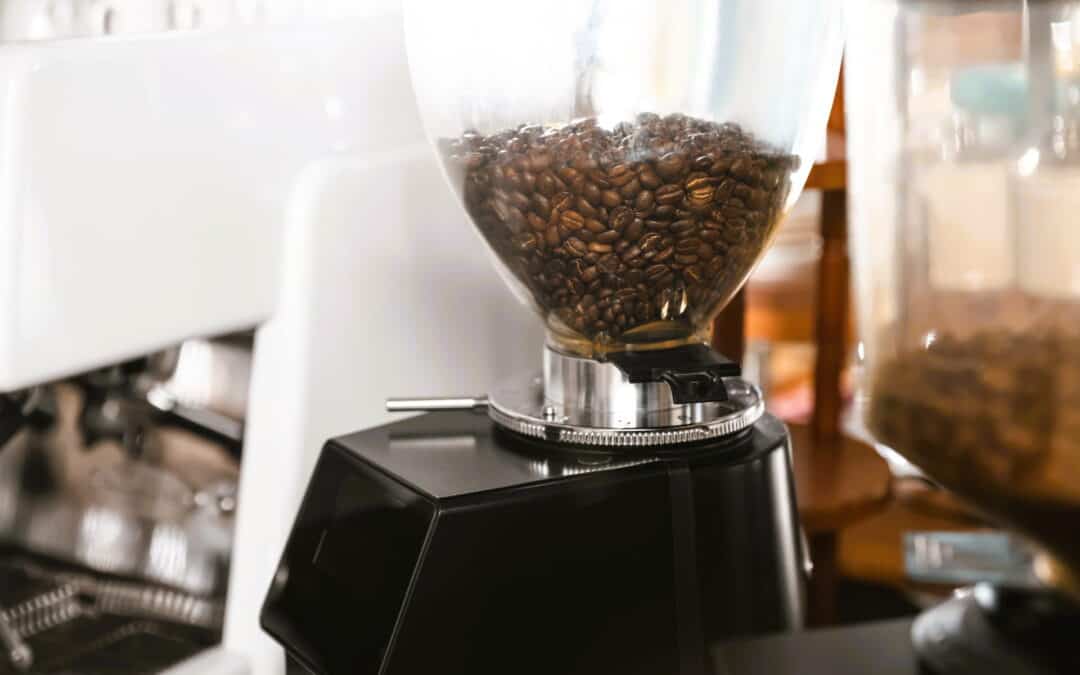
Coffee grind size can change a cup more than many drinkers realize because particle size controls how quickly water reaches soluble compounds inside roasted beans. Understanding how grind size affects the taste of coffee makes it easier to diagnose bitterness, sourness, thin body, or an uneven finish without immediately blaming the beans. Research on brewing shows that particle size, contact time, water quality, temperature, and brew ratio can all influence extraction and flavor. Fine, medium, and coarse grinds, extraction problems, grinder consistency, freshness, and practical adjustments all influence how coffee tastes, whether it is brewed at home or expertly prepared in a coffee shop.
- Smaller particles expose more bean surface to water.
- Larger particles tend to release soluble compounds at a slower rate.
- Brewing method helps determine an appropriate starting grind.
- Taste provides useful clues when adjusting a grinder.
How Coffee Grind Affects Taste
Grind size changes flavor because water moves through and around coffee particles differently depending on their dimensions. A familiar hands-on example occurs when the same beans are brewed twice in a pour-over, one batch ground much finer than the other, and the finer batch produces a heavier cup while the coarser batch tastes noticeably thinner. A review of coffee extraction research found that particle size distribution is among the brewing variables that alter the extraction of volatile and nonvolatile compounds responsible for flavor. Small grinder adjustments can therefore produce surprisingly large sensory changes.
- Fine particles generally increase extraction speed.
- Coarse particles tend to require greater contact time.
- Two brews made from identical beans can taste quite different.
Coffee Extraction Basics
Extraction starts when brewing water dissolves compounds from roasted grounds and carries them into the finished drink. The Specialty Coffee Association has historically used an extraction-yield range of about 18 to 22 percent in its home brewer certification requirements, providing a useful reference point for understanding balanced brewing rather than a rigid rule for every cup. Flavor changes when too little or too much soluble material enters the water, and grind size is one of the easiest variables a drinker can control. Brew time, temperature, water chemistry, and the ratio of grounds to water still matter, so changing several factors at once can make troubleshooting difficult.
- Extraction refers to material dissolved from roasted grounds.
- Grind size can change the rate of extraction.
- Brewing variables interact rather than working independently.
- One adjustment at a time makes flavor changes easier to identify.
Fine Coffee Grind Flavor
A fine grind creates numerous small particles and exposes considerable surface area to brewing water. Research published in the Journal of Food Engineering found that particle size significantly affected espresso extraction kinetics, with smaller particles producing greater extracted amounts of caffeine and trigonelline per collected brew mass. Fine grounds make sense for espresso because water interacts with the grounds during a brief brewing period, yet grinding excessively fine can restrict flow and push extraction farther than intended. The resulting cup may become intense, drying, or unpleasantly bitter.
- Fine grinds expose substantial surface area.
- Espresso commonly calls for a fine setting.
- Excessively small particles may slow water flow.
- A bitter shot may benefit from a slightly coarser setting.
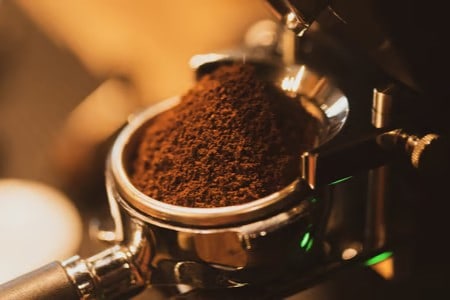
Coarse Coffee Grind Flavor
Coarse grounds contain larger particles that release soluble material at a slower pace, making them useful for brewing methods with long contact times. French press and cold brew are familiar examples because the grounds remain immersed in water instead of experiencing a brief pass-through extraction. Research on immersion cold brew and French press preparation found that extraction rate and yield increased as grind size decreased, illustrating why particle choice must match contact time. Grounds that are too large for a particular recipe may leave the drink weak, sharp, or noticeably sour.
- Coarse grinds suit extended immersion methods.
- French press commonly uses larger particles.
- Cold brew recipes often pair coarse grounds with long steeping periods.
Medium Coffee Grind Taste
Medium grounds sit between espresso-fine particles and the larger pieces associated with immersion brewing. Drip machines often perform well around this range because water has enough time to remove desirable soluble material without lingering for hours. The National Coffee Association reported that drip brewers remained the most common preparation method among surveyed past-day drinkers, accounting for 38 percent in its June 2025 findings. A medium setting gives many home brewers a sensible starting point, then taste can guide smaller changes.
- Medium grinds are common for automatic drip machines.
- Pour-over recipes may move toward medium-fine settings.
- Taste should guide adjustments after the initial brew.
- Brewer design can shift the ideal setting.
Coffee Grind and Bitterness
Bitterness often appears when extraction runs farther than the brewer intended, though roast level and bean characteristics can contribute as well. Grinding too finely can accelerate the release of soluble compounds and extend water contact in certain equipment, creating a cup that feels harsh or drying. Research into single-serve brewing found that later stages of extraction introduced more bitter and astringent compounds, showing why extraction progression affects sensory character. A modest move toward a coarser setting is a practical test when an otherwise sound recipe tastes excessively bitter.
- Try a slightly coarser setting when bitterness dominates.
- Keep the water dose unchanged during the test.
- Compare brew time before changing another variable.
Coffee Grind and Sourness
Sourness can signal that water has not removed enough soluble material from the grounds, though pleasant acidity should not automatically be mistaken for a brewing fault. An under-extracted cup may taste sharp, hollow, or oddly short in the finish, especially when the grind is too coarse for the selected method. Moving the grinder toward a finer setting increases exposed surface area and can help water extract more during the same brewing period. Repeated side-by-side tests make this distinction easier to recognize because desirable fruit-like acidity tastes different from an unfinished sour sensation.
- Sharp sourness may indicate insufficient extraction.
- A finer setting can increase extraction.
- Natural acidity can be a desirable flavor characteristic.
- Side-by-side tasting helps develop sensory judgment.

Grind Size by Brewing
Brewing equipment determines how water meets the grounds, so a single grind setting cannot suit every preparation style. Espresso relies on pressure and a short brew period, pour-over uses gravity, drip machines regulate water delivery, and immersion brewers leave grounds in contact with water for far longer. The Specialty Coffee Association includes grinding among the core steps addressed in its Coffee Brewing Handbook, reflecting the role particle size plays alongside filtration and brewing temperature. Matching the grind to the equipment gives the recipe a better starting foundation before personal taste enters the equation.
- Espresso generally uses fine grounds.
- Pour-over often works around medium-fine settings.
- Automatic drip commonly starts near medium.
- French press usually favors coarse particles.
- Cold brew often pairs larger grounds with extended steeping.
Coffee Grinder Consistency
Particle uniformity matters because a grinder that produces powdery fines beside large fragments creates competing extraction rates in the same brew. Tiny pieces may release compounds quickly while oversized pieces lag behind, leaving bitterness and sourness together in a confusing cup. The Specialty Coffee Association maintains technical standards covering home coffee grinders and brewing equipment, underscoring the industry’s attention to equipment performance and repeatability. Burr grinders generally provide more control over particle size than chopping-style blade machines, which can help a drinker reproduce a preferred recipe.
- Uneven particles extract at different speeds.
- Burr grinders offer adjustable particle control.
- Repeatable settings make troubleshooting easier.
Freshly Ground Coffee Flavor
Fresh grinding matters because roasted beans contain volatile aromatic compounds that begin escaping when their structure is broken apart. A study indexed by the National Library of Medicine identified numerous volatile compounds released during grinding, including compounds associated with nutty and roast aromas. More recent research on stored ground beans found declining aroma intensity and volatile compounds as ground coffee aged under oxygen, moisture, and heat exposure. Grinding shortly before brewing cannot correct the wrong particle size, but it can preserve sensory qualities that would otherwise fade during storage.
- Grinding releases aroma compounds from roasted beans.
- Oxygen and heat can contribute to flavor deterioration during storage.
- Whole beans reduce the amount of exposed interior surface before brewing.
- Airtight storage can limit unnecessary environmental exposure.
Adjusting Coffee Grind Size
Grinder adjustments work best when taste serves as the guide and the rest of the recipe stays stable. A sour, thin brew may justify moving finer, while a bitter cup that drains slowly may improve after moving coarser, then another batch can reveal whether the change went far enough. Specialty Coffee Association research has discussed how changing grind size can alter brew strength and extraction behavior, which helps explain why even modest movements on a grinder can matter. Experienced brewers often make one adjustment, taste again, and keep notes instead of chasing several variables simultaneously.
- Move finer when a brew seems under-extracted.
- Move coarser when extraction appears excessive.
- Keep dose and water quantity stable during testing.
- Record settings that produce pleasing results.
Finding Your Coffee Grind
No universal grinder number guarantees an ideal cup because machines, beans, roast styles, water, recipes, and personal preferences differ. A useful approach starts with the recommended range for the brewing method, followed by controlled adjustments based on taste and flow. Scientific reviews have found that particle size works together with pressure, temperature, water quality, contact time, and brew ratio to shape the final flavor profile. The most repeatable results usually come from treating the grinder as a tuning tool rather than a setting that never changes.
- Start with a setting suited to the brewer.
- Taste before making the next adjustment.
- Change one brewing variable at a time.
Key Coffee Grind Takeaways
Grind size influences how quickly water removes soluble compounds, making it one of the most useful controls available to anyone preparing coffee. Fine particles tend to extract faster, coarse particles work well when contact lasts longer, and inconsistent particles can pull the cup in opposing flavor directions. Research supports the connection between particle size and extraction behavior, but the grinder still works alongside water, temperature, brew ratio, equipment, and time. A drinker who learns to identify bitterness, sourness, strength, and flow can make small adjustments instead of replacing good beans when the real issue is the grind.
- Grind size directly influences extraction rate.
- Brewing method determines the starting range.
- Flavor provides feedback for grinder changes.
- Consistent particles make recipes easier to repeat.
- Fresh grinding helps preserve aromatic compounds.
FAQs
Does Coffee Grind Affect Taste?
Yes. Particle size affects how quickly soluble compounds leave the grounds and enter the water, so changing the grinder can alter strength, bitterness, acidity, aroma, and mouthfeel. The difference can be apparent even when the same beans and recipe are used.
What Coffee Grind Is Right?
The appropriate setting depends mainly on the brewing method and contact time. Espresso generally begins fine, drip brewing often begins around medium, and French press typically starts coarse. Taste should determine the remaining adjustment.
Why Does Coffee Taste Bitter?
Bitterness can come from roast character, brewing temperature, extended contact, or excessive extraction. A grind that is too fine for the brewer can contribute by increasing extraction or slowing water flow. Moving slightly coarser is one useful test.
Why Does Coffee Taste Sour?
Sour flavor may appear when extraction ends before enough soluble material has entered the water. Grounds that are too coarse can contribute because they present less exposed surface area. Moving finer may produce a fuller, more developed cup.
Should Coffee Be Ground Fresh?
Grinding close to brewing time helps preserve aromatic compounds that begin escaping once roasted beans are broken apart. Scientific research has documented the release of volatile aroma compounds during grinding and sensory deterioration during ground-bean storage. Fresh grinding therefore supports aroma while the correct particle size manages extraction.

We’re an elite coffee shop bringing you a commercial, full, craft coffee shop experience at one of our locations or wherever your special event may be! We would love to cater your event with trained baristas and serve hand crafted espresso drinks, coffees, frappes, smoothies, and teas to you and your guests.